Inspirational journeys
Follow the stories of academics and their research expeditions
The Future of Wildlife Education in Africa: How Technology Is Transforming Conservation and Tourism

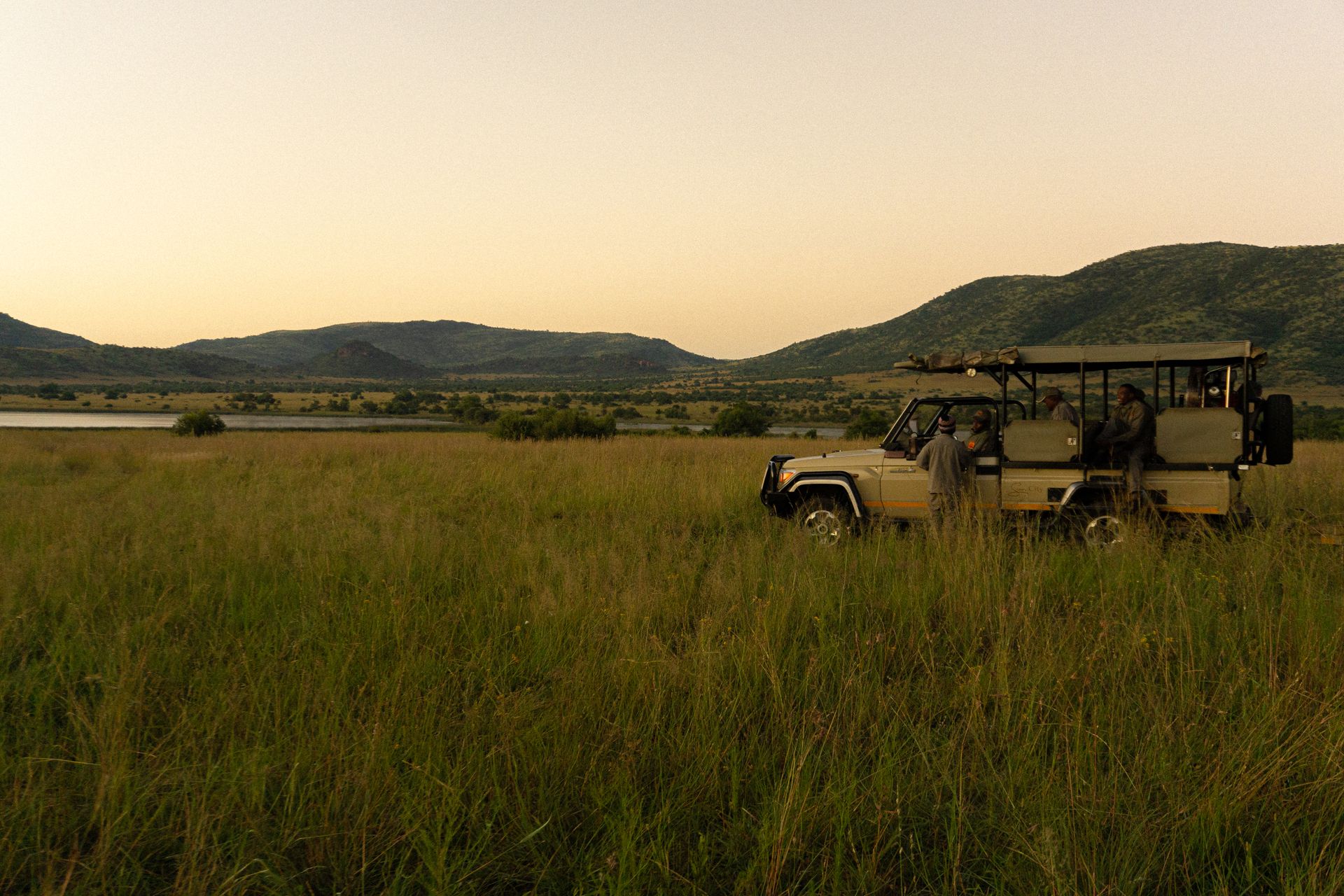
Africa is home to some of the world's most iconic wildlife, breathtaking landscapes, and vibrant tourism destinations. From the vast savannahs of Zimbabwe and Kenya to the wetlands of Botswana and the rainforests of Central Africa, wildlife remains one of the continent's greatest natural assets. However, conserving these ecosystems and developing a skilled tourism workforce requires new approaches. Technology is rapidly becoming one of the most powerful tools in wildlife education, conservation, and sustainable tourism.
Bridging the Knowledge Gap
For many aspiring wildlife professionals, access to quality education has traditionally been limited by location, cost, and availability of training institutions. Today, online learning platforms are changing that reality.
Students can now study wildlife conservation, safari guiding, ecotourism, and tourism management from virtually anywhere. Interactive videos, virtual classrooms, digital assessments, and downloadable learning materials make education more accessible than ever before.
This opens opportunities for young people across Africa to build careers in wildlife and tourism without having to relocate or interrupt their daily responsibilities.
Technology Is Revolutionizing Conservation
Modern conservation relies heavily on technology. Wildlife researchers and conservation organizations now use GPS tracking collars, camera traps, drones, satellite imagery, Geographic Information Systems (GIS), and artificial intelligence to monitor wildlife populations and protect endangered species.
These innovations help conservationists:
Track animal movements and migration routes.
Detect poaching activities more quickly.
Monitor habitat changes.
Collect accurate ecological data.
Improve wildlife management decisions.
Teaching students how these technologies work prepares them for the future of conservation.
Creating Better Tourism Experiences
Technology has transformed the way travelers discover and experience African destinations. Tourists now research parks online, book safaris digitally, explore destinations through virtual tours, and share their experiences instantly on social media.
Tourism professionals who understand digital marketing, online booking systems, photography, videography, and customer engagement are better equipped to meet the expectations of modern travelers.
Wildlife education should therefore include both field knowledge and digital skills.
Inspiring the Next Generation
Young Africans are growing up in a digital world. By combining technology with wildlife education, educators can make learning more engaging through videos, podcasts, interactive quizzes, virtual field trips, and online discussions.
Digital storytelling also allows students to share conservation success stories with global audiences, raising awareness about Africa's incredible biodiversity and the importance of protecting it.
Supporting Sustainable Development
Wildlife and tourism contribute significantly to employment, local businesses, and national economies throughout Africa. Technology helps improve efficiency, transparency, and sustainability within these industries.
Digital platforms can connect communities with tourists, simplify bookings, promote local tourism enterprises, and provide access to conservation education for people in remote areas.
When used responsibly, technology supports both environmental protection and economic development.
The Role of Wild Connect Academy
At Wild Connect Academy, we believe the future of wildlife education lies at the intersection of conservation and innovation. Our mission is to equip students, guides, conservationists, tourism professionals, and nature enthusiasts with practical knowledge and modern skills that prepare them for the evolving wildlife and tourism industries.
Through flexible online courses, expert-led training, and industry-relevant content, we aim to make quality wildlife education accessible across Africa and beyond.
Whether you dream of becoming a safari guide, wildlife manager, conservation officer, tourism entrepreneur, or environmental educator, embracing technology will help you stay competitive in an ever-changing world.
Conclusion
Africa's wildlife is one of its greatest treasures, and protecting it requires skilled professionals who can combine traditional conservation knowledge with modern technology. As digital tools continue to reshape education, research, and tourism, the next generation of wildlife leaders must be prepared to innovate while preserving the continent's natural heritage.
Technology is not replacing the passion for conservation—it is strengthening it. By embracing innovation today, Africa can build a more sustainable future for its wildlife, its people, and its tourism industry.
Join Wild Connect Academy and become part of a growing community dedicated to learning, conserving, and shaping the future of wildlife and tourism in Africa through education and technology.

Leave a comment